
Ultrasonic Cleaners
Large Ultrasonic Cleaner Specification Tips

When strict cleanliness specifications must be met by manufacturers of large parts or by firms cleaning large parts, a large ultrasonic cleaner helps assure specifications are met. Application examples include stainless steel pipe passivation, cleaning large DPF and EGR filter assemblies, heavy parts and industrial scale heat exchangers. Our post on selecting an industrial ultrasonic cleaner provides related information. Here we describe features to look for in a large ultrasonic cleaner.
What to Look for in a Large Ultrasonic Cleaner
The above-referenced post on selecting an industrial ultrasonic cleaner provides excellent guidelines. For cleaning very large parts, however, it is important to consider the following criteria when crafting your specifications.
Later in this post we’ll provide equipment suggestions that meet these criteria.
Extending Ultrasonic Cleaning Solution Effectiveness
Ultrasonic cleaning solution chemistries are formulated to handle specific challenges. Some contaminants removed during the process remain in the solution … Read the rest
DPF and EGR Cooler Maintenance with Ultrasonic Cleaners

Diesel particulate and exhaust gas recirculation cooler filters lose efficiency over time. Indications include warning lights, increased fuel consumption, rough starts, stalling, and dark exhaust. Searching DPF and EGR cleaning yields many results on how owner-operators, fleet managers and maintenance shops deal with DPF and EGR cooler maintenance. Here is how an ultrasonic cleaner can extend DPF and EGR cooler filter service life.
DPF and EGR Filter Cleaning Challenges
Sponge-like structures, stacked filters and complex gas flow channels among other designs characterize the construction of DPF and EGR cooler configurations.
The challenge: strongly adhering soot, carbon, ash, oily residues and other contaminants, especially within tightly confined spaces.
These contaminants are not easily removed by compressed air, fuel tank additives, aerosols, hot-water sprays and similar DPF and EGR maintenance techniques.
Moreover, high-pressure air and hot-water sprays can damage filters if not carefully applied.
Another point to keep in mind is proper disposal … Read the rest
Ultrasonic Cleaner Uses in Business and Industry
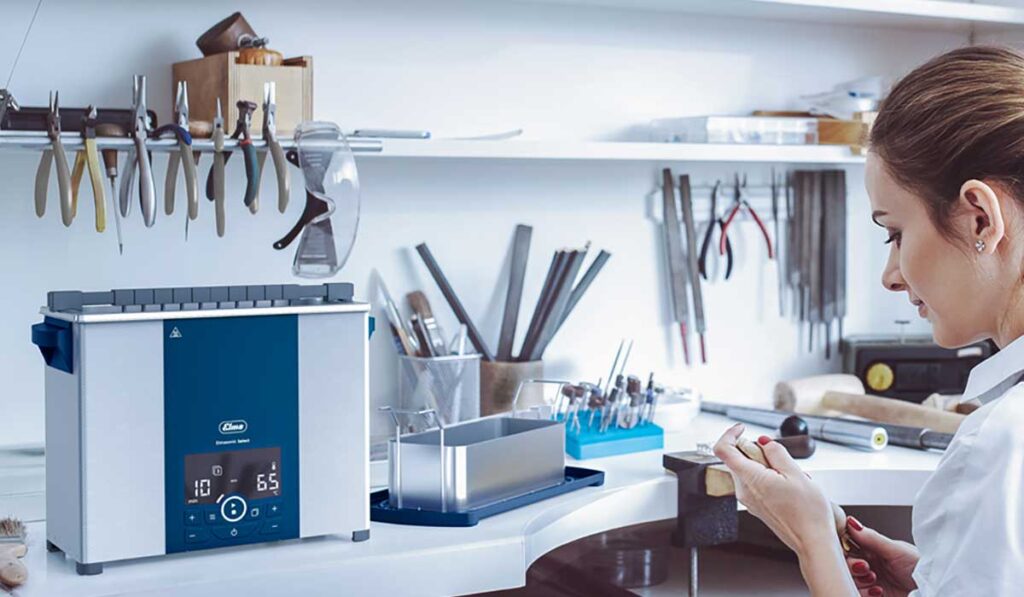
According to Future Market Insights the Ultrasonic Cleaning Market will be worth US $3.2 billion by 2033, citing market forecasts predicting a CAGR of 5.3%. FMI comments that this growth is “driven by rising demand for environmentally friendly and efficient cleaning solutions, alongside notable technological advancements.” It notes “ultrasonic cleaning is more cost-effective than traditional cleaning methods.”
In this post we share with you a few of the many ultrasonic cleaner uses in business and industry and delve a little deeper on selecting and using an ultrasonic cleaner.
Examples of Ultrasonic Cleaner Uses
Here are a few of the many examples of ultrasonic cleaner uses found on our website:
- The healthcare industry for analyzing, sample processing and cleaning lab instruments
- The automotive repair business for cleaning carburetors and fuel injectors
- Metalworking businesses to remove contaminants from finely machined parts
- Removing soldering flux, residues and dirt from new and reconditioned
Choosing a Cleaning Solution for Carburetors
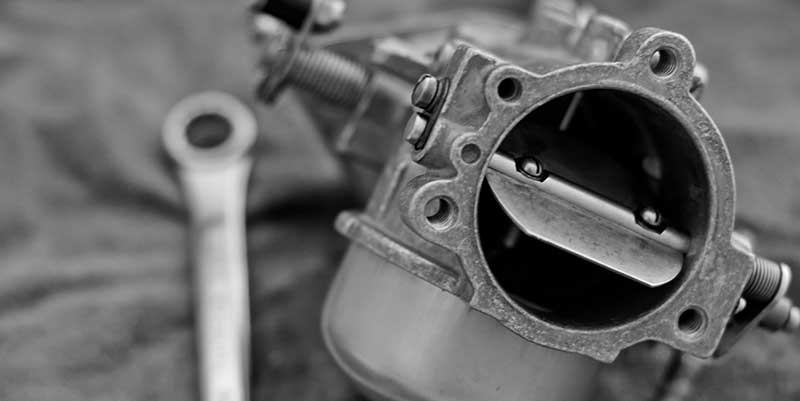

When looking for cleaning solutions for carburetors remember the adage “choose the right tool for the job.” Many think “tool” is equipment such as a hammer, saw, or wrench, and “solution” as a liquid or an answer to a problem. For this post tools are liquid solutions and equipment is an ultrasonic cleaner to do the job.
Here you will learn why using an ultrasonic parts cleaner and the right ultrasonic cleaning solution for carburetors will do the job faster, easier and more thoroughly than sprays, brushes and soaks in potentially dangerous solvents.
First, Why Consider an Ultrasonic Cleaner?
Two key words: fast and thorough carburetor cleaning.
Ultrasonic cleaners are fast. Cleaning can be accomplished in as little as 20 minutes. On top of that, thorough cleaning is accomplished with minimal disassembly.
How this is achieved is described next. But these two key benefits explain why … Read the rest
The Role of Sonicator Baths in Sample Preparation

Sonicator baths are often employed for sample preparation steps in research and development activities. For example, a sonicator bath may be used to extract an active pharmaceutical ingredient (API) from its carrier, or excipient, prior to conducting content uniformity and potency assay tests. Many USP monographs recommend using a sonicator bath to dissolve samples prior to analysis.
As noted in Chapter 8 of Optimization of Pharmaceutical Processes, “A growing need for developing novel technologies for obtaining better quality products with enhanced process efficiency has created promise for application of ultrasound in the area of food and pharmaceutical processing.”
The chapter “offers discussion on the governing mechanisms for the improvement based on the use of ultrasound, different ultrasonic reactor configurations, as well as the selection of operating conditions for the specific applications of encapsulation and crystallization.”
In chapter 2 of Sample Preparation of Pharmaceutical Dosage Forms, discussing agitation and … Read the rest
Ultrasonic Gun Cleaning Tank for Firearms

Investments in firearms by individuals and organizations can be substantial, and a regular cleaning regimen helps protect that investment. A MilMag article titled “Weapons Cleaning for Dummies” notes that of four methods described ultrasound “is the most firearm friendly method…” then explains what is involved in the process.
Here you will learn how to use an ultrasonic gun cleaning tank to maintain firearms. It offers you guidance on when and how to use gun cleaning solvents and lubricants, explains why ultrasonic gun cleaning tank is a wise investment for maintaining firearms, and offers equipment options for you to consider.
Cleaning Solvents for Firearms
Firearm owners may be aware of many gun cleaning “solvents” available on the market, but just what is a solvent? According to the Encyclopedia Britannica, a solvent is “ordinarily a liquid in which other materials dissolve in order to form a solution.”
Ultrasonic Cleaning – an
… Read the restHow to Select an Ultrasonic Cleaner Solution
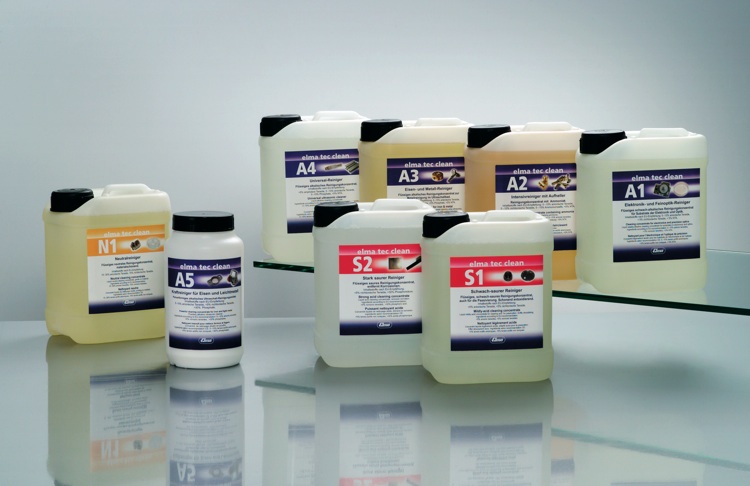
According to Verified Market Research, the Global Ultrasonic Cleaning Solution Market value is estimated to be USD 1,934.90 Million in 2022 and is expected to reach USD 3,211.88 Million by 2030 witnessing a CAGR of around 6.54% during the forecasted period (2024-2030)
Ultrasonic cleaner solutions – also called “soaps” or “chemicals”- are specially formulated to accomplish specific ultrasonic cleaning challenges. Most ultrasonic cleaning solutions are available as concentrates and are biodegradable. These two features contribute to economy and reduce disposal concerns. This post offers tips on how to select your ultrasonic cleaner solution.
How Ultrasonic Cleaner Solutions Work
Regardless of the chemistry, an ultrasonic cleaner solution works by a process called cavitation. But rather than get into a detailed explanation here, please check out our post Ultrasonic Cleaners and How they Work. More info can be found at our ultrasonic cleaner learning center.
… Read the restHow to Select an Industrial Ultrasonic Cleaner
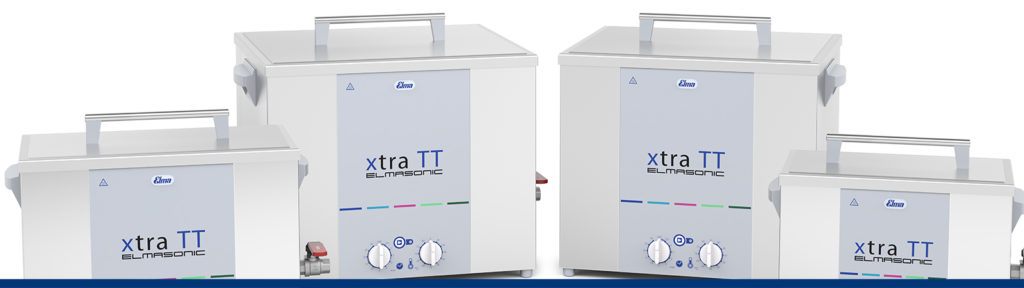
Industrial and commercial ultrasonic cleaners can represent a sizeable investment. The global market, including industrial ultrasonic cleaners, is expected to reach $2.43 billion by 2028 according to Data Bridge Market Research. The report states that this represents a CAGR of 5.85% between 2021 and 2028, and that “Rising industrialization and growth in the number of manufacturing industries will emerge as the major market growth driving factor.”
The information in this article will help you select the correct industrial ultrasonic cleaner.
Defining an Industrial Ultrasonic Cleaner
The job to be done – not the size of the cleaner or items being cleaned – defines a commercial ultrasonic cleaner. Heavy-duty ultrasonic parts washing usually means long-term (multi-hour) cleaning cycles, which calls for more rugged construction including heavier gauge stainless steel cleaning tanks. These are available as benchtop and floor mounted units, which brings us to the first specification tip.
Make
… Read the restUltrasonic Passivation for Stainless Steel
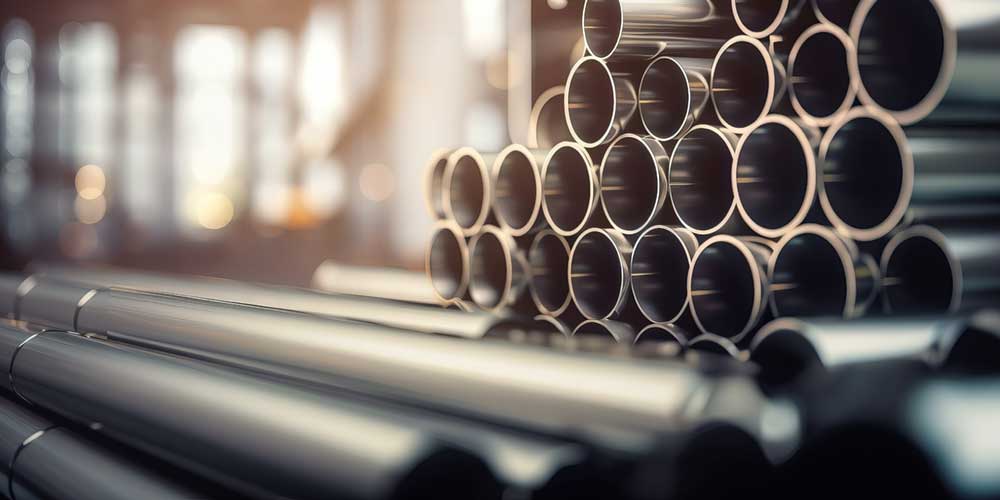
Stainless steels such as AISI* Types 304, 310 and 316, are favored for strength and corrosion resistance. Applications include food, chemical and pharmaceutical processing, surgical implants, architecture and transportation. Over time starting from initial fabrication, free iron and other contaminants adhere to surfaces and must be removed. Ultrasonic passivation for stainless steel accomplishes this to meet ASTM** A967 standards.
What is Stainless Steel “Passivation?”
Machining and otherwise fabricating and handling stainless steel components may deposit iron particles and other contaminants (such as from machining or grinding tools) on the stainless steel. These contaminants must be removed to forestall corrosion between the different metals once the stainless steel components are put into use.
Passivation removes these contaminants, forming a “passive” oxide film that becomes a chemically inactive or inert surface that enhances corrosion resistance.
Passivation vs. Electropolishing
There is some confusion between passivation and electropolishing as both relate to treating stainless … Read the rest
Ultrasonic Cleaner Degas: Why it’s Important

Getting the best results from your ultrasonic cleaner requires more than turning it on and immersing parts in the cleaning solution. Whether using a fresh cleaning solution or one that has been idle for a period of time, an ultrasonic cleaner degassing procedure yields improved cleaning results. Here we explain why and how the degas procedure is important.
What is Ultrasonic Cleaner Degassing?
In a sentence, it is getting the air (a gas) out of your ultrasonic cleaning solution.
And why is that important?
Let’s start with a simple illustration. In the morning, the glass of water you placed on your night stand the night before (but did not drink) has bubbles adhering to the glass. That demonstrates that water, a liquid, contains air.
The same applies to ultrasonic cleaning solution formulations, especially but not exclusively those you dilute with water. Examples include cleaning solution chemicals offered by iUltrasonic, our … Read the rest