Tovatech Blog

DPF and EGR Cooler Maintenance with Ultrasonic Cleaners
By Rachel Kohn |
Diesel particulate and exhaust gas recirculation cooler filters lose efficiency over time. Indications include warning lights, increased fuel consumption, rough starts, stalling, and dark exhaust. Searching DPF and EGR cleaning yields many results on how owner-operators, fleet managers and maintenance shops deal with DPF and EGR cooler maintenance. Here is how an ultrasonic cleaner can extend DPF…
FREE GUIDE |

|

Large Ultrasonic Cleaner Specification Tips
When strict cleanliness specifications must be met by manufacturers of large parts or by firms cleaning large parts, a large ultrasonic cleaner helps assure specifications are met. Application examples include stainless steel…

DPF and EGR Cooler Maintenance with Ultrasonic Cleaners
Diesel particulate and exhaust gas recirculation cooler filters lose efficiency over time. Indications include warning lights, increased fuel consumption, rough starts, stalling, and dark exhaust. Searching DPF and EGR cleaning yields many results…

Ultrasonic Cleaner Uses in Business and Industry
According to Future Market Insights the Ultrasonic Cleaning Market will be worth US $3.2 billion by 2033, citing market forecasts predicting a CAGR of 5.3%. FMI comments that this growth is “driven by…
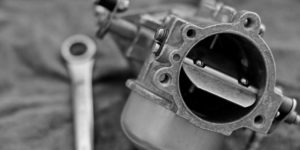
Choosing a Cleaning Solution for Carburetors
Nothing is faster than an ultrasonic cleaner when refurbishing carburetors. Here’s why.

The Role of Sonicator Baths in Sample Preparation
An ultrasonic cleaner employed as a sonicator bath can achieve rapid sample preparation while avoiding chemical degradation of the API due to excessive heat.

Ultrasonic Gun Cleaning Tank for Firearms
Investments in firearms by individuals and organizations can be substantial, and a regular cleaning regimen helps protect that investment. A MilMag article titled “Weapons Cleaning for Dummies” notes that of four methods…
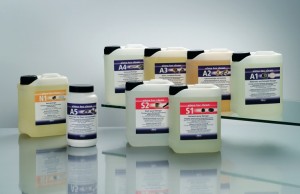
How to Select an Ultrasonic Cleaner Solution
According to Verified Market Research, the Global Ultrasonic Cleaning Solution Market value is estimated to be USD 1,934.90 Million in 2022 and is expected to reach USD 3,211.88 Million by 2030 witnessing…
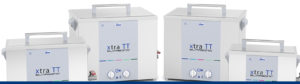
How to Select an Industrial Ultrasonic Cleaner
Industrial and commercial ultrasonic cleaners can represent a sizeable investment. The global market, including industrial ultrasonic cleaners, is expected to reach $2.43 billion by 2028 according to Data Bridge Market Research. The…

HPLC Flow Meter Cleaning Tips
Fast, accurate calibration of flow rates used in HPLC flow systems can be compromised if the flow meter is not maintained. Here are some maintenance tips.

Laboratory Refrigerator Selection Criteria
Pharmaceuticals, blood and plasma must be stored within tight temperature ranges to avoid loss of potency or spoilage. Lab refrigerators and lab freezers are built to meet the demanding requirements of pharmaceutical manufacturers and healthcare providers.

Ultrasonic Passivation for Stainless Steel
Stainless steels such as AISI* Types 304, 310 and 316, are favored for strength and corrosion resistance. Applications include food, chemical and pharmaceutical processing, surgical implants, architecture and transportation. Over time starting…

Ultrasonic Cleaner Degas: Why it’s Important
Degassing fresh ultrasonic cleaning solutions in Degas mode allows normal cleaning operations to start within 10 minutes rather than the 30 minutes that may be required by using ultrasonic cleaning action to accomplish degassing.