Ultrasonic Cleaners

Your Ultimate Machine for Powerful Professional Cleaning

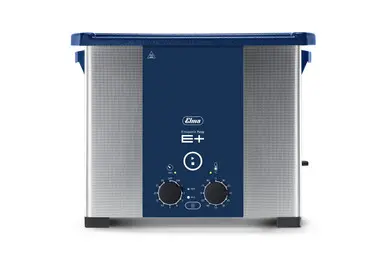
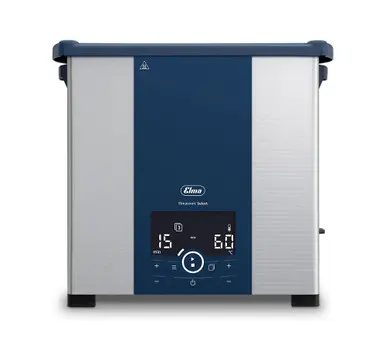
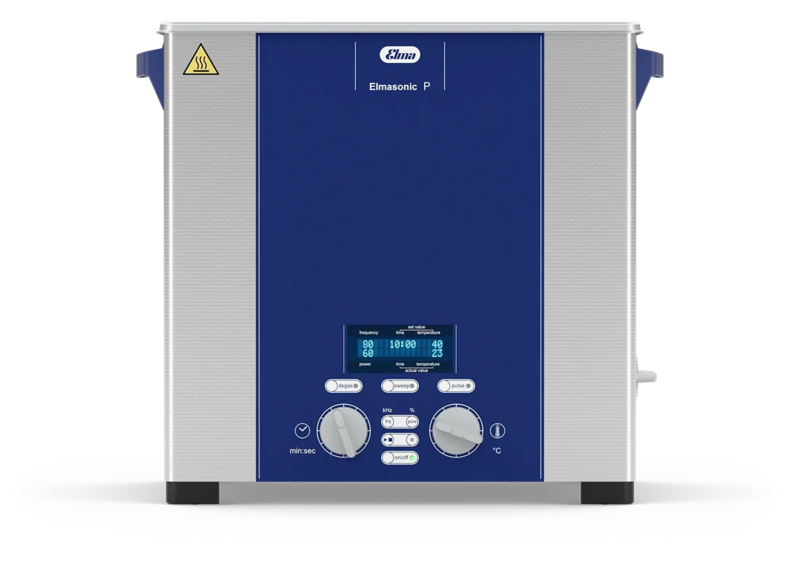
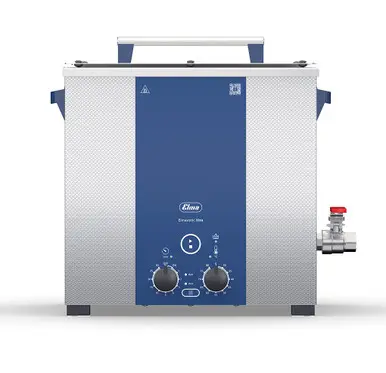
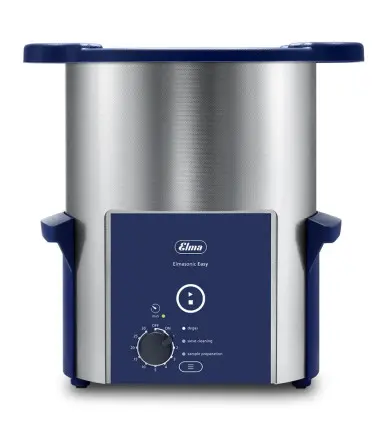
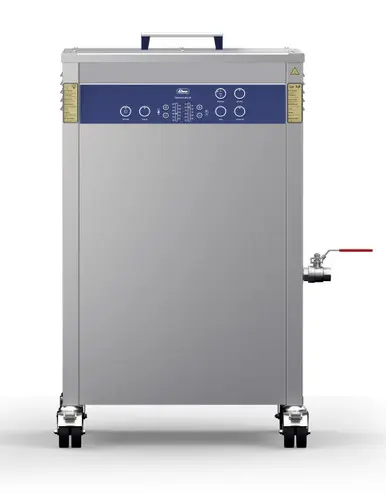
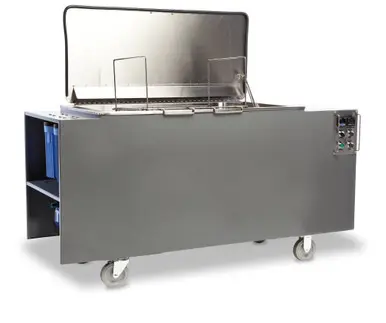
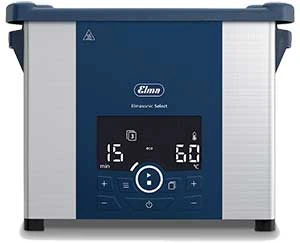
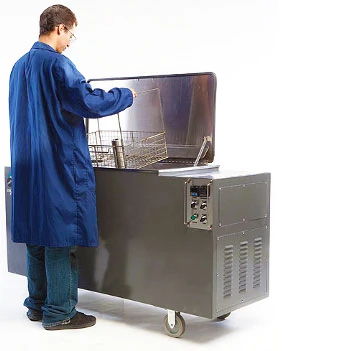
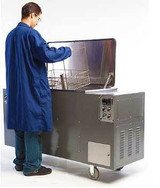
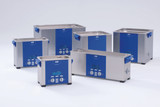
Tovatech offers powerful, durable, reliable, high performance ultrasonic cleaners manufactured with German ingenuity. From benchtop to high capacity industrial models, see what ultrasonic cleaning can do.

  • Benchtop + Industrial
  • Small to Large Tanks
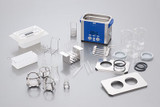
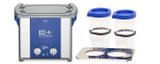
  • Application-Matched Accessories
  • Fast U.S. Delivery
  • Specialist Guidance
Choose Your Benchtop Series

Choose Your Industrial Series

Choose Your industry

Why Ultrasonic Cleaning

How it works

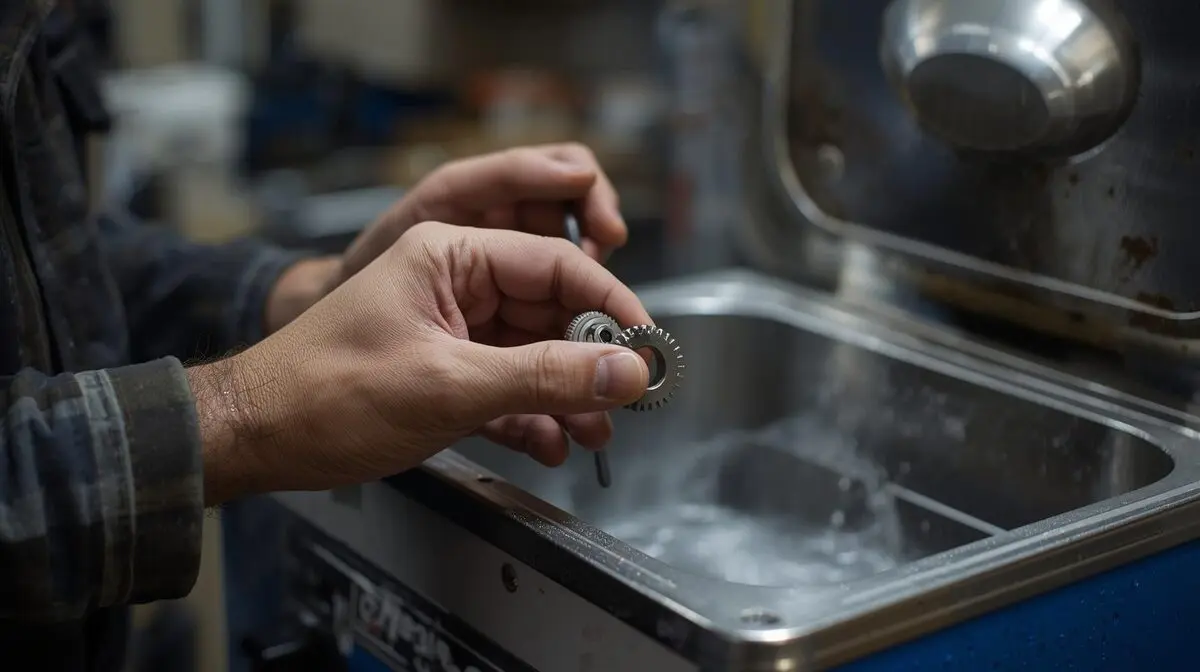
Ultrasonic cavitation scrubs surfaces with microscopic bubbles, reaching crevices brushes and sprays miss.

Benefits

Thorough, repeatable cleaning that is gentle on parts, saves time, reduces labor, and uses safe water-based solutions.

Applications

Industrial parts, precision assemblies, dental and medical instruments, jewelry, optics, and lab glassware.

Ultrasonic Cleaning FAQs

How do ultrasonic cleaners work and what is cavitation?

Transducers vibrate the tank to create high-frequency pressure waves. These form and collapse microscopic bubbles (cavitation) that scrub surfaces, including crevices, without abrasion.

What size tank do I need?

Match the dimensions of the largest part to both tank and basket. Ensure that the part will be fully submerged in the bath. Avoid resting parts on the tank bottom.

What frequency should I use?

Lower frequencies (25 kHz) deliver aggressive cleaning for heavy soils and rugged parts. Mid-range frequencies (37-45 kHz) are suitable for the overwhelming majority of cleaning applications. Higher frequencies (80+ kHz) are for extremely delicate surfaces or fine features.

What is Sweep, Pulse, Dynamic, and Eco mode?

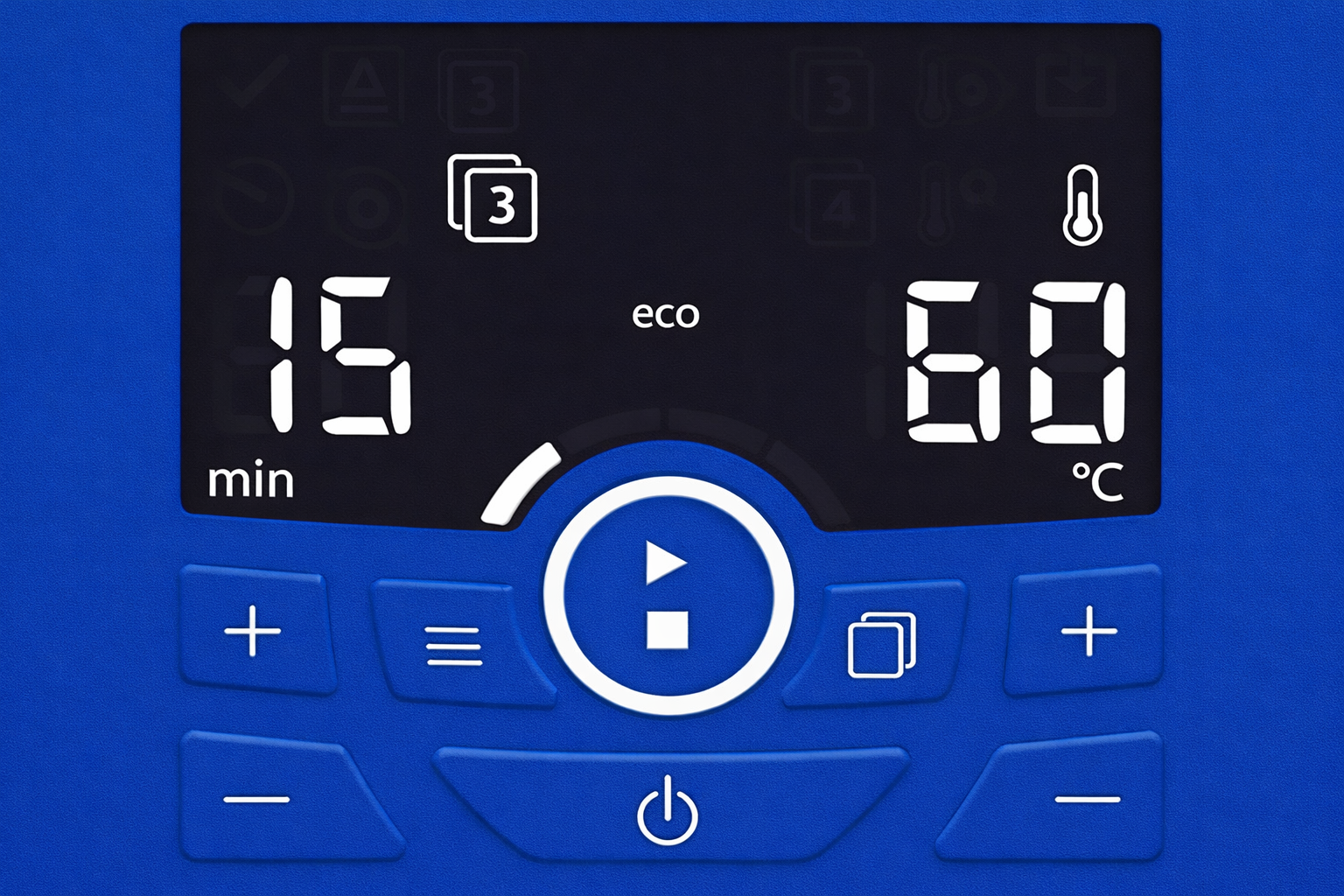
Sweep evens out energy for uniform results; Pulse adds bursts for stubborn soils; Dynamic alternates between Sweep and Pulse to optimize cleaning; Eco lowers power to reduce noise and energy use.

What liquids can I put in the tank?

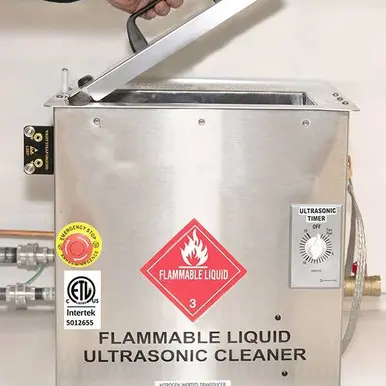
Use water with purpose-formulated ultrasonic solutions for the soil and material. For flammable solvents, use solvent-filled beakers immersed in water, or use an explosion proof ultrasonic cleaner rated for hazardous materials.

Do you offer explosion proof ultrasonic cleaners?

Yes! We offer explosion proof ultrasonic cleaners designed for safe use with flammable solvents and hazardous environments. Learn more here.

Can I put dishwashing liquid in the tank?

You could, but it’s not recommended. To get the best results use only approved ultrasonic chemistries or tank-safe cleaning solutions.

What temperature should I use?

Follow the guidance on the technical specifications sheet for the cleaning solution; many detergents work best around 40-60°C. Heat speeds cleaning but confirm compatibility for sensitive parts.

How long should I clean my parts?

Typical cycles run a few to 20 minutes depending on soil load, chemistry, and frequency. Validate on your parts and record the winning recipe.

Do I need a basket?

Yes—keep parts off the tank bottom to protect transducers and improve cavitation. Fixtures also prevent parts from touching each other.

How can I check if my ultrasonic tank is working properly?

Periodically verify with a wattmeter and a foil test: stable power draw and uniform foil pitting indicate healthy cavitation.

How often should I change the cleaning solution?

Change when visibly dirty, oily, or when results are less than optimum. Skim oils, filter out particulates, and refresh to maintain performance. If cleaning dental or medical instruments, solution should be changed daily.

Helpful Resources

Not sure which cleaner fits?

Tell us your parts, soils, and throughput and we will recommend the right ultrasonic setup. A quick call or email gets you a tailored solution.

Subcategories

Compare Selected